Helpful Articles
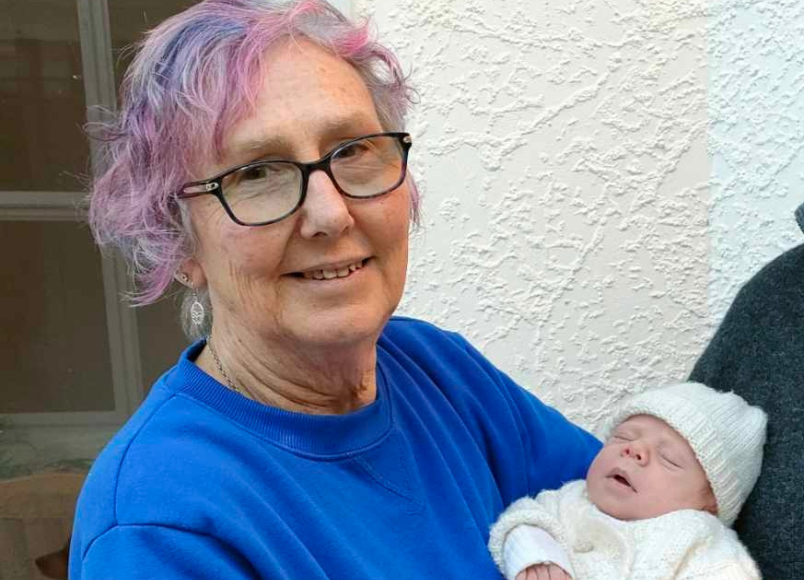
Interview with a Funeral Director: Lorraine Murnane
Jun 23, 2026
1. What led you into the funeral profession, and did you ever imagine this would become your life’s
work?
My experience when my father died and being able to be as involved in his preparation and care as I
wanted. I realised that caring for a deceased is the last thing we can do to honour them.
2. Can you remember the very first family you helped, and how that experience stayed with you?
I don’t remember the very first family I helped but one of the early funerals I arranged was for my
cousin who had been murdered and realizing that it is too hard being both the funeral director and a
mourner. We need to know that it is ok to ask for help.
3. What do you think most people misunderstand most about funeral directors?
People tend to think we are solemn or sombre but we are normal caring people often with a sense
of humour.
4. What has kept you passionate about supporting families over the years?
Making sure each funeral is about the deceased but for the family. The good feeling you get when
you get it right.
5. Do you think being a funeral director changes the way you personally approach grief and loss?
Yes, it does. I have a good understanding of how quickly life can change, and that grief has no start
or finish time, it just gets easier as time goes on.
6. What qualities do you believe are most important in someone working within the funeral industry?
Empathy, compassion, listening and good time management skills. You need to be able to read the
room.
7. When families first walk in the doors, what do you think they need most from you in that moment?
Hospitality, to feel welcome and cared for, comfort, warmth and understanding.
8. What are some of the most meaningful conversations you’ve had with families over the years?
Talking about the deceased’s wishes but also the family’s needs.
9. How do you help families personalise a funeral service, so it truly reflects their loved one?
By listening to them talk about the deceased, asking questions to get an idea of the person, their
likes, dislikes, music flowers etc.
10. What role do funeral services play in helping people begin processing grief?
They are an opportunity for people to acknowledge/celebrate the life of the deceased and to begin
to move from a life with them to a life without them.
11. How do you personally manage grief while continuing to support others every day?
Talking with colleagues, debriefing, listening to music while driving, taking a good book to a café for
lunch for me time.
12. What do you wish more people understood about grief?
It is different for everyone; it is a process. It has no end, it doesn’t go away but it does get easier.
13. Do funeral services help communities heal as well as families?
Yes they give the community the opportunity to say goodbye. During Covid that opportunity wasn’t
available and many people have struggled to deal with that.
14. Why is local community connection so important in funeral care?
Grief can be very isolating; community connections can provide ongoing support.
15. What makes serving your local community personally meaningful to you?
You get back what you give. It is in giving that we receive.
16. How have funeral services changed over the years, and what do families value most today?
They have become more personalised and technical – creating video tributes, live streaming, music.
Families value being made to feel that they are the only family you are looking after in that week ,
even if you are looking after 2 other families. They value personalised caring support.
Recent Articles