
Burial
Burial
In Northland, burial is one of the main forms of final disposition available to families, with several options depending on location, beliefs, and personal or cultural preferences.
Burial services and cemeteries across the region are overseen by local councils or governing bodies to ensure appropriate standards are maintained. Families arranging a burial are guided through the necessary decisions, including cemetery selection, plot options, and any cultural or religious requirements connected to burial..
When choosing burial, families may consider where their loved one will be laid to rest and whether the burial place holds personal, family, or cultural significance. Some families choose burial sites that allow future generations to be interred together, creating a shared resting place that reflects family connection and continuity.
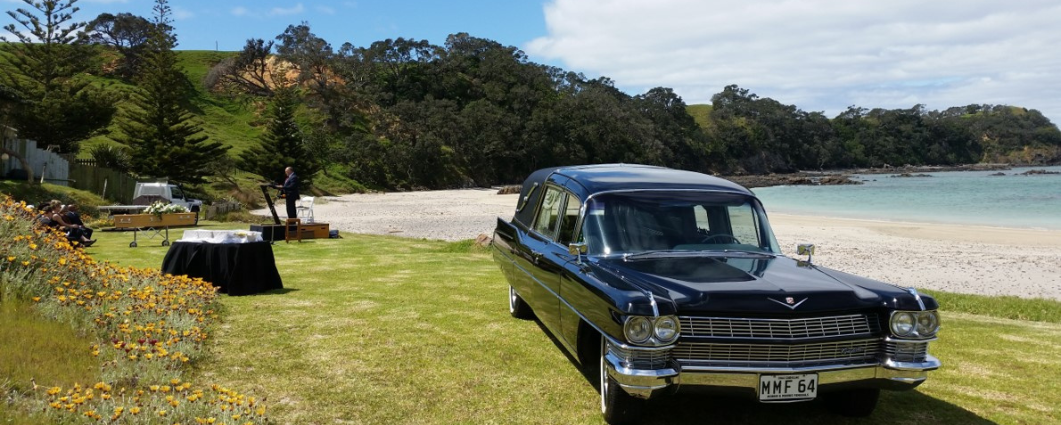
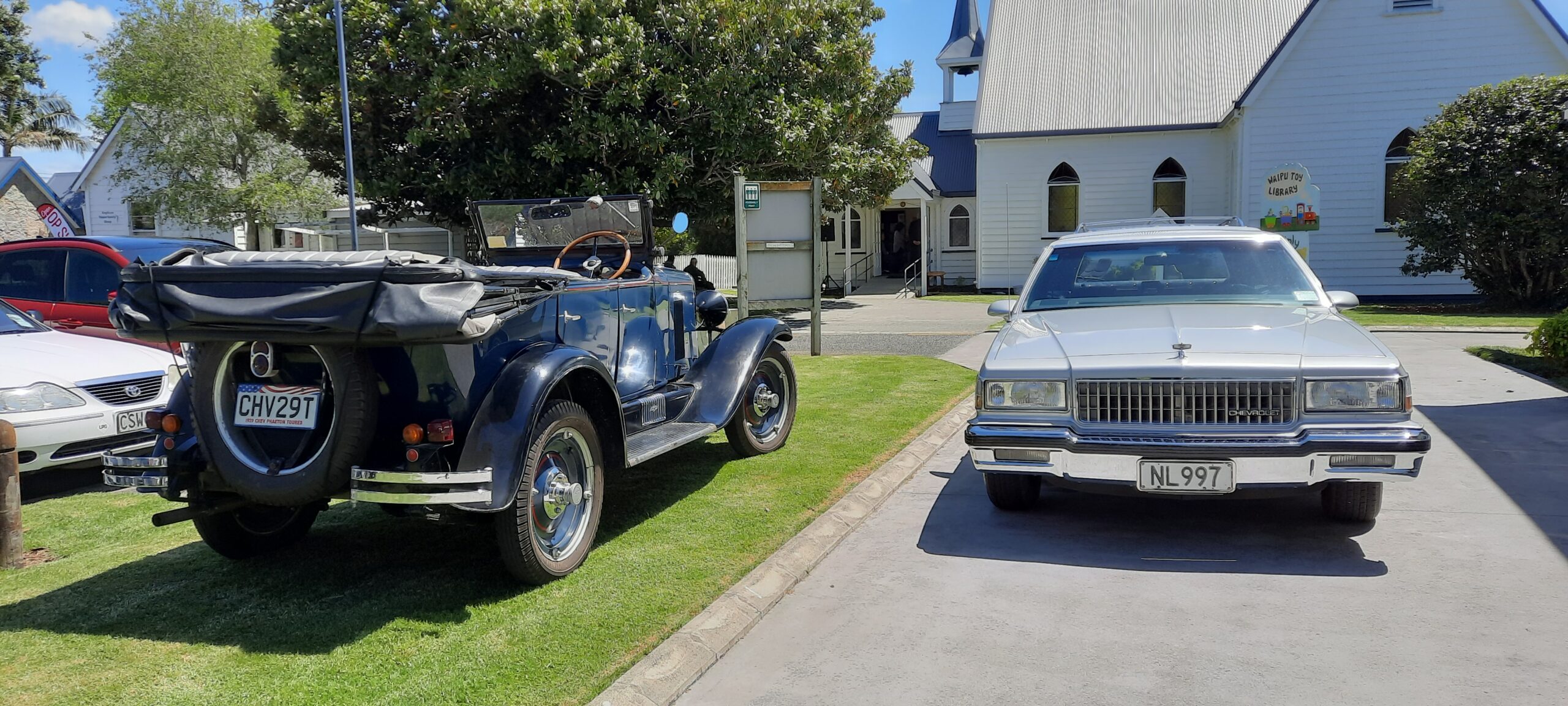
When being buried in Northland, families generally have several options, often influenced by religion, cultural background, family tradition, or personal beliefs. Many Māori are buried in their family Urupā, which may be located close to or far from their home, depending on iwi connections. These Urupā are often situated near the local marae, where funeral services are traditionally held. They are privately managed and allow generations of families to be laid to rest together, preserving whakapapa and cultural ties
Within surrounding communities, there are also different types of cemeteries available for burial
- Local public cemetery run and controlled by the local council, they are expanding these cemeteries to cater for more and more people’s needs for example having a natural burial section.
- Community run cemeteries which are run by a board of locals or a church cemetery catering for certain religions.